
Kitesurfing in Tahunanui Beach
Nelson · New Zealand
- Spot type Flat
- Rider level beginner
- Water Dark - Clear
- Beach Sand
- Crowd Seasonal crowd
- Tide effect Conditions vary
Kitesurfing in Tahunanui Beach: Conditions, Wind & Season
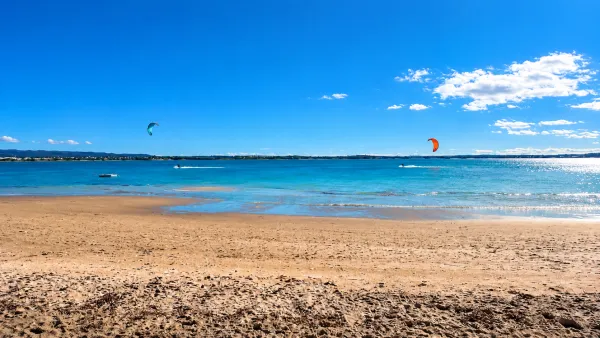
Tahunanui Beach, commonly known as Tahuna, is one of the most established kitesurfing locations in Nelson, on the northern coast of New Zealand's South Island. Situated along the shores of Tasman Bay, close to central Nelson and Nelson Airport, this accessible coastal spot offers a combination of shallow tidal water, sandy launching areas and seasonal sea breezes. Unlike the exposed surf beaches found along other parts of New Zealand's coastline, Tahunanui is largely protected from powerful ocean swell, making it particularly attractive for flat-water freeriding, beginner progression and freestyle practice. Its distinctive sand spit, tidal channels and relatively sheltered setting create varied riding conditions that change throughout the day according to wind direction and tidal movement.
The main kitesurfing area is associated with the western end of Tahunanui Beach, where the sandy shoreline extends toward the entrance of Nelson Haven. This section provides access to shallow water and tidal flats, with deeper channels developing around the sand spit and harbour approaches. During suitable conditions, riders can enjoy relatively smooth water close to the sandbanks, while more exposed sections produce short wind-driven chop. The absence of significant ocean swell makes Tahunanui primarily a flat-water and freeride destination rather than a wave-kitesurfing spot. However, the combination of shallow flats and deeper channels means that the available riding area changes substantially with the tide, requiring careful route selection.
Wind conditions at Tahunanui are influenced by the geography of Tasman Bay, the surrounding hills and the regional weather patterns of the Nelson area. Northerly and northeasterly winds can provide favourable conditions across the open bay, while northwesterly winds may also produce enjoyable sessions depending on their angle relative to the shoreline. Westerly and southwesterly winds can be usable in selected circumstances, although the surrounding terrain may introduce gusts, wind shadows or less favourable launching angles. Local sea breezes are particularly relevant during the warmer months, when daytime heating can help generate afternoon winds along the coast. Because the wind can vary significantly between the beach and the wider bay, riders should assess the actual conditions at the launch rather than relying solely on regional forecasts.
The main kitesurfing season generally extends from spring through summer into early autumn, approximately October to March, when longer daylight hours and warmer temperatures create more comfortable conditions. During this period, afternoon sea breezes can provide regular opportunities for freeriding, although their strength and reliability vary with the weather pattern. Stronger regional winds may also develop outside the summer season, allowing kitesurfing throughout the year when conditions are suitable. Winter sessions are generally colder and may involve more unsettled weather, requiring additional thermal protection and greater attention to changing forecasts. Tahunanui is therefore best considered a seasonal sea-breeze location with additional year-round riding opportunities rather than a destination with guaranteed daily wind.
Tides are among the most important factors influencing kitesurfing at Tahunanui Beach. The area experiences substantial tidal variations, with extensive sandbanks and shallow flats becoming exposed at lower water levels. As the tide rises, these sections gradually fill, creating additional riding space and allowing access to areas that may be too shallow during low tide. At higher water levels, the available sandy launching area can become narrower, while the relationship between shallow flats and deeper channels changes. Riders should plan their sessions around local tide tables and understand how the changing water depth affects both launching and returning to shore. The best tidal window depends on wind direction, equipment choice and the specific area being used.
The tidal channel running alongside the sand spit adds another dimension to the riding conditions. During stronger tidal movement, currents can become significant, particularly around the harbour entrance and deeper sections. When the current opposes the wind, the apparent movement of the water beneath the board can affect upwind progress and create steeper, more closely spaced chop. A current moving in the same direction as the wind may reduce the rider's effective speed over the water, making it harder to generate sufficient board pressure. These effects can be particularly noticeable in lighter winds. Riders should avoid assuming that tidal currents automatically improve performance, as strong flow can quickly carry a rider away from the intended riding area following a fall or equipment failure.
The seabed around Tahunanui consists predominantly of sand, with patches of firmer sediment, shells and occasional pebbly sections. The shallow water can be useful for learning water starts and recovering equipment, but it also creates hazards when the tide falls. Board fins may strike the bottom, and hard crashes in very shallow water can result in injuries. Protective footwear may be useful when walking across areas containing shells or other sharp objects. Water clarity varies with weather and tidal movement, particularly when sediment is disturbed by strong currents or wind-driven chop. Riders should identify shallow banks and deeper channels before attempting powered manoeuvres or travelling farther from the launching area.
Flat-water freeriding is one of Tahunanui's main attractions. During moderate winds and suitable tidal stages, twin-tip riders can enjoy relatively smooth water for practising transitions, carving turns and developing upwind technique. Intermediate riders may also find favourable conditions for freestyle progression, particularly where sandbanks reduce surface chop. Stronger winds can provide opportunities for controlled jumps and more powered freeriding, although the shallow seabed makes it essential to select areas with sufficient water depth. The spot is generally less suitable for wave riding or surfboard-focused sessions because the surrounding bay limits the development of significant breaking waves.
Hydrofoil kitesurfing and wing-foiling are also possible at Tahunanui when the tide provides adequate depth. The relatively protected water and seasonal breezes can create enjoyable conditions for foil progression, particularly in deeper sections away from exposed sandbanks. However, the extensive shallow flats make navigation more demanding than it may initially appear. Foil riders must identify safe routes through deeper water and avoid areas where the seabed rises abruptly. Strong tidal currents near the channels can also complicate balance, turning and equipment recovery. Wing-foilers may benefit from the sheltered conditions, but they face the same depth restrictions and should avoid launching or riding close to other harbour users.
Launching and landing are important considerations because Tahunanui is a popular public beach with areas used for swimming, recreation and other watersports. Kitesurfing activity is generally associated with the western end of the beach, away from the busiest swimming sections. However, riders should verify the current designated kite areas, seasonal restrictions and any requirements established by local authorities or the harbourmaster before preparing equipment. The available launching space changes with the tide, and the beach may become crowded during warm weather, weekends and public holidays. Kites should be launched only where there is sufficient unobstructed space, with generous separation from pedestrians, swimmers and other beach users.
The shared-use environment requires particular attention near the harbour approaches, where recreational vessels, sailing craft and other water users may be present. Kitesurfers should remain clear of navigation channels when necessary, respect vessel movements and avoid crossing directly in front of boats. The combination of strong tidal currents and changing wind direction can make returning to the launch more difficult than expected. Riders should also be aware that shallow water does not eliminate the risks associated with powered kites, especially near hard objects, parked vehicles or groups of people. Local knowledge is valuable for understanding the safest launching positions and riding boundaries under different conditions.
Tahunanui can provide suitable conditions for beginner and intermediate kitesurfing progression, particularly when winds are moderate, the water is sufficiently deep and the launching area is clear. The relatively smooth surface and absence of powerful ocean surf are useful advantages for learning board control and improving confidence. However, beginners should not underestimate the influence of tides, currents and changing water depths. Professional instruction is recommended for initial lessons, and independent beginners should avoid deeper tidal channels and areas affected by strong currents. More experienced riders can enjoy freeriding, freestyle and foil sessions, although the spot's shallow character and public beach setting require conservative decisions about jumping and high-powered manoeuvres.
Water temperatures around Nelson vary considerably throughout the year, with more comfortable conditions during summer and significantly cooler water during winter. A wetsuit is advisable for most sessions, particularly when strong winds increase heat loss or when riders expect to spend extended periods in the water. The exposed sections of Tasman Bay can also become choppy during stronger winds, while sudden weather changes may affect visibility and the ability to return safely. Although Tahunanui is close to Nelson's urban infrastructure, dedicated kitesurfing rescue assistance should not be assumed. Riders should check equipment carefully, maintain reliable self-rescue skills and avoid venturing into strong tidal currents without a clear return plan.
For riders searching for kitesurfing at Tahunanui Beach, flat-water kite spots in Nelson or kitesurfing destinations around Tasman Bay on New Zealand's South Island, this accessible beach offers an attractive combination of shallow tidal water, seasonal sea breezes and varied freeriding opportunities. Its greatest strengths are the relatively sheltered conditions, opportunities for beginner and intermediate progression, and the combination of smooth-water sections and deeper channels for different riding styles. However, substantial tidal variations, strong currents, shallow sandbanks and regulated beach access require careful preparation. For kitesurfers who understand the local conditions and respect designated riding areas, Tahunanui Beach can provide rewarding flat-water sessions along one of the most accessible coastal stretches in the northern South Island.
Something missing or out of date at this spot? Suggest a correction
Tahunanui Beach is best suited for
Spot profile
Travel spot
The typical kite travel destination, it is known for its great conditions, and kiters from around the world come here for their vacations.
Family spot
Located in an area that offers amenities for all the family and can provide good alternatives for everyone when the kiters are in the water.
Local spot
Maybe not be worth a real journey to reach this spot, but great if you live close by and it is a windy day. In the end, being out on the water feels great anywhere
Equipment
A freeride or beginner-friendly twin-tip board works well in the shallow front beach and learner zones, while a smaller board is useful for riding the tidal channel or in lighter winds. Most kiters use mid-sized kites, with smaller kites for strong northerlies and larger kites for light days or when taking advantage of tidal current to boost apparent wind. In the warmer months (October to March), a shorty wetsuit is usually sufficient, but many prefer a full wetsuit for extra comfort, especially outside peak summer or on windier days. Booties offer protection in shallow or pebbly parts, though many choose bare feet during summer. Wearing a helmet and impact vest is a good idea for those learning, particularly when sessions are near the channel on strong tides.
Wind Conditions
Main wind directions at Tahunanui Beach
Windy days per month in Tahunanui Beach
Wind Speed Range
From 8 to 25 Knots
Suggested sizes
8 - 9 mt
10 - 11 mt
12 - 13 mt
14 mt and above
Forecast on Windy.com
Kitesurfing Safety & Local Rules at Tahunanui Beach
The main hazard at Tahunanui Beach is the strong tidal current in the channel beside the kitesurfing area. During the outgoing tide, currents can reportedly reach approximately 6 knots, potentially sweeping riders away from the launch area. Underpowered or inexperienced kiters may struggle to return upwind, recover their boards or perform self-rescue. Avoid entering the deepwater channel unless you are confident handling strong currents and changing water conditions.
Tidal changes also affect the available riding and launching space, particularly when the sandbar becomes submerged. Riders should monitor water depth, current direction and wind strength throughout their session. Drifting into the channel can lead toward rocky or less accessible shoreline, making equipment recovery and returning to the beach difficult. Plan sessions around the tides and avoid riding too far from shore without reliable support.
Tahunanui has designated kitesurfing and swimming zones, with kiting restricted to the western section of the beach. Keep clear of the eastern swimming area, central beach access path and public crossing points, and follow all posted harbourmaster instructions. The beach can become crowded with walkers and families during weekends and holidays, so maintain generous safety distances and avoid launching when the available space is insufficient.
Location
Closest City
Nelson
How to get There
Tahunanui Beach is only a few minutes from Nelson city centre and Nelson Airport by car. Drive to Tahuna Beach Reserve and follow the access road to the western end, where kitesurfers are directed to park and rig. It is also a very short transfer from the airport, making it easy for visitors flying into Nelson to reach the spot quickly.
Access
The spot is publicly accessible through Tahuna Beach Reserve, with road access and parking at the western end for kitesurfers. There is no indication of a private entry fee for normal beach access, but riders are expected to use the designated kite area and respect the swimming zone and local harbourmaster directions.
No-Wind Days: What to Do Around Tahunanui Beach
Beyond kitesurfing, Tahunanui Beach offers an excellent combination of coastal relaxation, outdoor adventures and cultural attractions in Nelson, at the northern end of New Zealand's South Island. Located along the shores of Tasman Bay, just a few minutes from Nelson's city centre, Tahunanui is one of the region's most popular seaside destinations. Its broad sandy beach, waterfront reserves, cafés and family-friendly facilities make it an enjoyable place for visitors of all ages. Unlike remote kitesurfing locations, Tahunanui provides easy access to restaurants, accommodation, shopping and numerous recreational activities. For a kitesurfing trip with non-kiters or a family holiday in the Nelson Tasman region, the area offers an outstanding variety of experiences, from beach relaxation and local culture to national parks and spectacular coastal landscapes.
Tahunanui Beach itself is one of Nelson's main attractions, with a wide sandy shoreline overlooking the beautiful waters of Tasman Bay. The beach is ideal for walking, sunbathing, beach games and enjoying the relaxed atmosphere of New Zealand's coastal lifestyle. On suitable days, visitors can swim or enjoy stand-up paddleboarding in designated areas, although conditions vary with tides, wind and local water quality. Families appreciate the nearby grassy reserves, picnic areas and recreational facilities, while the beach's extensive shoreline provides plenty of space for relaxing and photography. The views across Tasman Bay towards the surrounding hills are particularly attractive during the late afternoon, when the changing light creates beautiful reflections across the water.
One of the most enjoyable attractions near Tahunanui is the Tahunanui Beach Reserve, which offers extensive recreational facilities for families and visitors seeking outdoor entertainment. The reserve includes playgrounds, picnic areas, grassy spaces and walking paths, creating a pleasant environment for spending an entire day beside the beach. The wider Tahunanui recreational area also features activities such as mini-golf and other family entertainment, depending on seasonal availability. Children can enjoy the playgrounds while adults relax in the shaded picnic areas or explore the surrounding waterfront. The reserve is particularly popular during summer weekends and school holidays, when local families and visitors gather to enjoy the coastal atmosphere. Its convenient location makes it easy to combine beach activities with nearby cafés and restaurants.
For visitors interested in marine recreation, Tasman Bay offers excellent opportunities for kayaking, sailing, stand-up paddleboarding and organised boat excursions. The sheltered sections of the bay provide attractive settings for exploring the coastline, observing seabirds and enjoying views towards the surrounding hills. Guided kayaking experiences may be available through local operators, while sailing excursions provide a different perspective on Nelson's maritime environment. The nearby Nelson waterfront and marina areas are also interesting places to watch fishing boats, yachts and other vessels moving through the harbour. Conditions can change quickly with wind and tides, so visitors should choose suitable activities and follow local safety guidance. Marine excursions are particularly enjoyable for non-kiting partners who want to experience the beauty of Tasman Bay from the water.
Nelson's city centre, located a short drive from Tahunanui, offers a lively combination of independent shops, cafés, restaurants and cultural attractions. The city is known for its creative atmosphere, with numerous galleries, studios and artisan businesses showcasing the work of local artists and craftspeople. Visitors can explore the historic streets, discover boutique shops or enjoy the region's excellent café culture. Nelson is also recognised for its food and beverage scene, including craft breweries, local wineries and restaurants featuring fresh regional produce. The Nelson Saturday Market is particularly popular, offering an opportunity to discover handmade products, artisan foods, clothing and local specialities. The market provides an enjoyable introduction to the region's creative community and relaxed lifestyle. Further information about local attractions and experiences is available through Nelson Tasman tourism.
For travellers interested in art and history, Nelson offers several fascinating cultural attractions. The Nelson Provincial Museum provides exhibitions exploring the region's natural environment, Māori heritage and historical development. Visitors can discover the stories of the Nelson Tasman region through collections of photographs, objects and educational displays. The Suter Art Gallery, located beside the beautiful Queen's Gardens, is another important cultural destination, presenting New Zealand art and changing exhibitions in an attractive setting. The surrounding gardens provide a peaceful place for walking and relaxation, with ornamental ponds, mature trees and landscaped pathways. These attractions are particularly appealing on rainy or windless days, offering opportunities to explore the city's cultural heritage without relying on outdoor conditions.
One of Nelson's most popular outdoor attractions is the Centre of New Zealand walk, located on Botanical Hill near the city centre. This relatively short but uphill walking route leads to an elevated viewpoint overlooking Nelson, Tasman Bay and the surrounding mountains. The summit is marked by a monument associated with historical surveying, and the panoramic views make it a rewarding destination for photography. The walk passes through pleasant green spaces and provides an opportunity to appreciate Nelson's distinctive location between the coast and surrounding hills. Early morning and late afternoon are particularly attractive times to visit, when the light enhances the scenery. Visitors should wear comfortable footwear and carry water, especially during warmer weather.
For nature lovers, the Brook Waimārama Sanctuary offers an extraordinary opportunity to discover New Zealand's native forest and wildlife. Located close to Nelson, this protected ecological sanctuary is dedicated to restoring native ecosystems and protecting vulnerable species from introduced predators. Walking trails pass through beautiful forest environments where visitors may encounter native birds, distinctive vegetation and other wildlife. Guided experiences can provide valuable insights into the sanctuary's conservation programmes and the challenges of protecting New Zealand's biodiversity. The sanctuary is particularly attractive for families, birdwatchers and travellers interested in environmental conservation. Information about visiting arrangements, walking tracks and guided experiences is available through the Brook Waimārama Sanctuary official website.
One of the greatest advantages of staying in Tahunanui is its proximity to Abel Tasman National Park, one of New Zealand's most celebrated coastal destinations. Located northwest of Nelson, the park is famous for its golden sandy beaches, turquoise bays, native forest and spectacular coastal walking trails. Visitors can explore sections of the Abel Tasman Coast Track, take organised water-taxi excursions or join guided kayaking trips along the coastline. The park's beautiful beaches and sheltered coves provide outstanding opportunities for photography, swimming in suitable conditions and observing coastal wildlife. Water taxis allow visitors to access different sections of the park without completing the entire walking route, making day trips practical for families and travellers with limited time. Information about tracks, conservation rules and visitor access is available through the New Zealand Department of Conservation.
Another rewarding excursion is exploring the coastal towns and countryside around Tasman Bay. Mapua, located west of Nelson, is a charming waterfront village known for its cafés, restaurants, galleries and relaxed atmosphere. The Mapua Wharf area is particularly enjoyable for lunch or an afternoon walk, with views across the tidal estuary and surrounding coastline. Nearby Ruby Bay and the wider Moutere region offer attractive rural landscapes, vineyards and artisan food producers. Visitors can discover local wineries, sample regional products or enjoy scenic drives through rolling countryside. The region is particularly appealing for couples and groups interested in combining coastal sightseeing with food and wine experiences. Wine tastings should be arranged with suitable transport, and opening hours may vary seasonally.
For more adventurous travellers, the Nelson Tasman region offers excellent opportunities for mountain biking, hiking and exploring the surrounding hills. Nelson is widely recognised as one of New Zealand's important mountain biking destinations, with numerous trails ranging from accessible recreational routes to challenging technical descents. The region's forested hills and varied terrain provide attractive scenery for cycling enthusiasts, while walking trails offer opportunities to discover native vegetation and panoramic viewpoints. Organised cycling experiences and equipment rental may be available through local operators. Families and beginners should select routes appropriate to their abilities, while experienced riders can explore more demanding trails in designated mountain biking areas. The combination of coastal recreation and inland adventure makes Nelson particularly attractive for active travellers.
For visitors seeking a more relaxed experience, Nelson's food and wine culture is another highlight of the region. The surrounding countryside produces a variety of wines, while local breweries and restaurants showcase the area's agricultural heritage and creative culinary scene. Visitors can enjoy fresh seafood, seasonal vegetables, artisan cheeses and locally produced specialities in restaurants around Nelson and the nearby coastal villages. The city's cafés are particularly popular for breakfast and brunch, while waterfront dining provides an enjoyable setting for evening meals. Accommodation ranges from beachfront holiday parks and self-catering apartments around Tahunanui to boutique hotels, guesthouses and countryside lodges throughout the Nelson Tasman region. This variety makes it easy to plan a holiday suited to different budgets and travel styles.
For anyone planning a kite trip to Tahunanui Beach and wondering what else there is to do, Nelson and the wider Tasman Bay region offer an exceptional combination of coastal beauty, cultural attractions and outdoor adventures. A no-wind day can include exploring Nelson's galleries and markets, walking to the Centre of New Zealand viewpoint, discovering native wildlife at Brook Waimārama Sanctuary or enjoying the recreational facilities around Tahunanui Beach Reserve. Families can explore playgrounds, beaches and scenic coastal villages, while more adventurous visitors can hike, kayak or take a water-taxi excursion through Abel Tasman National Park. With its convenient location, relaxed coastal atmosphere and easy access to some of New Zealand's most beautiful landscapes, Tahunanui Beach is an excellent destination for combining kitesurfing with a varied and memorable South Island holiday.
Other kitesurfing spots near Tahunanui Beach
All kitesurfing spots in New Zealand
Last updated: