
Kitesurfing in Rabbit Island
Nelson · New Zealand
- Spot type Flat
- Rider level beginner
- Water Dark - Clear
- Beach Sand
- Crowd Seasonal crowd
- Tide effect OK low tide
Kitesurfing in Rabbit Island: Conditions, Wind & Season
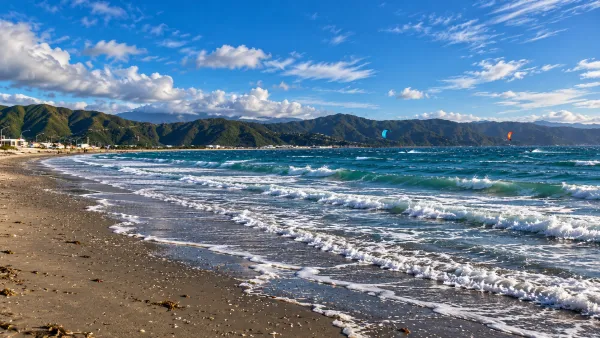
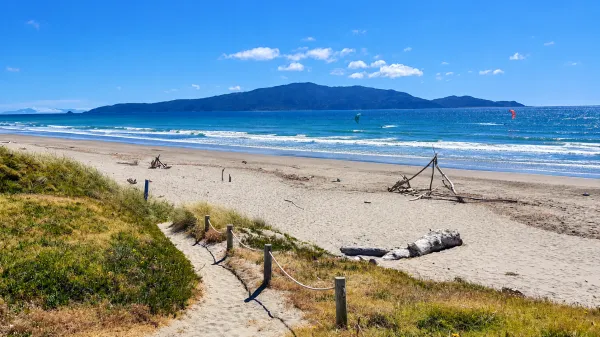
Rabbit Island, also known as Moturoa, is an accessible kitesurfing location in Tasman Bay, approximately 25 minutes west of Nelson on New Zealand's South Island. Situated near Richmond and the Waimea Estuary, the island features an extensive sandy beach backed by dunes and pine plantations, providing generous space for freeriding, practising transitions and improving kite control. Its relatively sheltered position within Tasman Bay limits exposure to large ocean swell, making Rabbit Island an attractive alternative to the more demanding surf beaches of New Zealand. The long shoreline and generally manageable water conditions appeal to progressing riders, although tidal changes and recreational beach activity require careful planning.
The most favourable kitesurfing conditions generally occur from late spring through early autumn, particularly between November and March, when afternoon sea breezes become more frequent. Northerly, northeasterly and northwesterly winds can provide suitable riding conditions, depending on the selected section of beach and the local wind angle. During favourable thermal conditions, wind speeds commonly range from approximately 10 to 20 knots, with moderate afternoon breezes around 15 knots offering enjoyable freeriding opportunities. Wind strength can vary throughout the day, and the pine plantations behind the beach may create localised turbulence when the airflow crosses the trees. Riders should assess the actual wind direction at their chosen launching area and avoid offshore conditions.
Water conditions at Rabbit Island are generally flat to lightly choppy, with short wind-generated waves developing when stronger breezes blow across Tasman Bay. During lighter winds, smoother sections provide comfortable conditions for practising water starts, transitions, upwind riding and basic freestyle manoeuvres. Moderate afternoon winds can generate enough surface texture for controlled jumping and powered freeriding without the larger swell found at exposed ocean beaches. The predominantly sandy seabed and gradual nearshore depth changes can make water entry relatively straightforward, although conditions vary along the island. Rabbit Island is primarily a freeride and progression destination rather than a dedicated wave-riding location.
Tides play an important role in determining the available launching space and nearshore water depth. At mid to low tide, a broad expanse of sand is generally exposed, providing convenient room for rigging, launching and landing away from the dunes and vegetation. At high tide, the beach becomes narrower, reducing clearance from the pine trees and other shoreline obstacles. Wind turbulence may also become more noticeable when riders are forced to operate closer to the vegetation. Lower water levels can expose shallow areas and require a longer walk to reach suitable riding depth. Selecting an appropriate tidal window is therefore important, particularly for less experienced riders who need additional space during launching and landing.
The western sections of Rabbit Island are often preferred for kitesurfing because they can provide more room away from the busiest recreational areas. Access is straightforward via the island's road network, with parking available near several beach access points and a relatively short walk to the shoreline. The sandy surface is generally convenient for preparing equipment, although riders should inspect the area for driftwood, shells and other obstacles before launching. Rabbit Island is a public recreation reserve, so kitesurfers must respect any designated swimming areas, wildlife protection measures and local access restrictions. During summer weekends and holidays, beach activity can increase significantly, making it essential to maintain generous separation from swimmers, families and other recreational users.
Rabbit Island is particularly attractive to intermediate kitesurfers seeking comfortable freeriding and progression conditions, while beginners may benefit from supervised instruction when wind strength, tide and beach activity are suitable. More experienced riders can enjoy powered cruising, controlled jumping and basic freestyle during stronger afternoon sea breezes. A freeride twin-tip board is the most versatile equipment choice, paired with a kite selected for the prevailing wind strength. Kite sizes around 9–14 m² may be suitable during moderate sea-breeze conditions, depending on rider weight and equipment efficiency. A 3/2 mm wetsuit is generally appropriate during warmer months, while a 4/3 mm wetsuit may be preferable during cooler periods.
The main hazards include tidal changes, restricted beach width at high tide, wind turbulence near the pine plantations and the presence of swimmers and other beach users. Although Tasman Bay is relatively sheltered from significant ocean swell, stronger winds can generate challenging chop and occasional shorebreak. Offshore wind directions should be avoided, particularly by inexperienced riders, as equipment failure or loss of board control can result in drifting away from shore. Riders should also remain clear of estuary channels and areas with stronger tidal currents near the island's ends. Careful selection of the launching area, adequate clearance from vegetation and respect for recreational beach users are essential for safe sessions.
Rabbit Island offers an enjoyable combination of seasonal sea breezes, sheltered Tasman Bay water and extensive sandy launching areas near Nelson. Its relatively flat conditions and accessible shoreline make it particularly suitable for freeriding, improving technique and relaxed progression sessions, while stronger afternoon winds provide opportunities for more energetic riding. Although tidal timing and summer beach activity require attention, Rabbit Island remains an appealing kitesurfing destination for riders seeking manageable conditions and plenty of space on New Zealand's northern South Island.
Something missing or out of date at this spot? Suggest a correction
Rabbit Island is best suited for
Spot profile
Travel spot
The typical kite travel destination, it is known for its great conditions, and kiters from around the world come here for their vacations.
Family spot
Located in an area that offers amenities for all the family and can provide good alternatives for everyone when the kiters are in the water.
Local spot
Maybe not be worth a real journey to reach this spot, but great if you live close by and it is a windy day. In the end, being out on the water feels great anywhere
Equipment
Bring a medium-sized kite—typically between 10m and 14m—as this works best for the common 10 to 20 knot range at Rabbit Island. A twin-tip is ideal for both freeride and learning, but having a larger or more efficient board is useful on lighter thermal days. Between December and March, a shorty wetsuit is usually enough, but from April through October a full 3/2 or 4/3 wetsuit is recommended for comfort during longer sessions. Booties are optional; the sandy beach is comfortable underfoot, but they can be handy for extra grip or if conditions get chilly. Newer riders should consider a helmet and impact vest for easy confidence as there can be unexpected gusts or chop on windier days.
Wind Conditions
Main wind directions at Rabbit Island
Windy days per month in Rabbit Island
Wind Speed Range
From 10 to 20 Knots
Suggested sizes
8 - 9 mt
10 - 11 mt
12 - 13 mt
14 mt and above
Forecast on Windy.com
Kitesurfing Safety & Local Rules at Rabbit Island
The main hazards at Rabbit Island, in New Zealand's Tasman Bay, are the reduced launching space at high tide and the proximity of pine trees and coastal vegetation. As the water rises, the usable beach can narrow considerably, leaving limited clearance for safe launching and landing. The treeline may also create wind shadows, turbulence and unexpected gusts or lulls, increasing the risk of losing kite control. A kite caught in the branches can result in tangled lines, damaged equipment or injury. Whenever possible, launch during mid to low tide, when the beach provides more space, and maintain generous downwind clearance from trees and other obstacles.
Rabbit Island is a popular public reserve shared with swimmers, walkers, families, dog owners, kayakers and paddleboarders, particularly during weekends and school holidays. Congestion near the main beach access points and designated swimming areas increases the risk of collisions or accidental contact with kite lines. Local riders often favour the western sections of the beach, where there is generally more room to rig and launch away from other visitors. Keep equipment and lines clear of walking routes, avoid flying kites over people and maintain a safe distance from swimmers and other water users.
Although water conditions are generally manageable, gusty winds, shallow sections and unsuccessful manoeuvres can still cause hard falls, sprains or equipment entanglements. There are no dedicated kitesurfing rescue services or regular patrols of the riding area, so riders should be prepared to manage equipment problems and perform basic self-rescue. Respect reserve regulations, avoid damaging coastal vegetation and keep kites and lines off marked walking tracks. Checking tide levels, choosing an uncrowded launching area and maintaining awareness of other beach users are essential for a safe session.
Location
Closest City
Nelson
How to get There
Rabbit Island is about 25 minutes by car west of Nelson. The usual drive is from Nelson toward Richmond on State Highway 6, then turning onto State Highway 60 toward Motueka, and finally following Redwood Road or local access roads to the reserve. The nearest practical flight access is Nelson Airport, followed by a drive to the island.
Access
Rabbit Island is publicly accessible as a recreational reserve with sealed road access and large parking areas directly behind the beach. There are no private or restricted entry rules: drive in from Nelson or Richmond via Redwood Road and follow signs to beach car parks. Facilities such as toilets, freshwater showers, and barbecues are open to all. No special permits or memberships are required.
No-Wind Days: What to Do Around Rabbit Island
Located in Tasman Bay near Nelson, Rabbit Island, also known as Moturoa, is one of the most popular outdoor recreation areas in New Zealand's northern South Island. Surrounded by sandy beaches, pine forests and sheltered coastal scenery, the island offers a relaxed natural environment particularly attractive to families, cyclists and visitors travelling with non-kiting partners. Its extensive recreational reserves, picnic areas and walking trails make it much more than a watersports destination. With Richmond, Nelson and the beautiful Tasman region nearby, Rabbit Island is also an excellent starting point for exploring local vineyards, coastal villages and some of New Zealand's most celebrated national parks.
Rabbit Island's long sandy beach is its main attraction, stretching along the southern side of Tasman Bay with beautiful views towards the surrounding coastline and distant mountains. The broad shoreline is ideal for walking, jogging, beach games and relaxing beside the water. During calm weather, swimming and paddleboarding are popular activities, although tides, currents and changing conditions should always be considered. Families particularly appreciate the extensive open spaces and the opportunity to enjoy a traditional New Zealand beach outing without the commercial atmosphere of a major resort. Visitors should use designated swimming areas where available and check current lifeguard arrangements rather than assuming patrols operate throughout the summer.
The island's extensive pine plantations provide a pleasant contrast to the open beach, offering shaded walking routes, cycling tracks and peaceful recreational areas. A network of paths and forest roads allows visitors to explore the island at a relaxed pace, with routes suitable for casual cyclists and families. Picnic areas with tables and barbecue facilities make Rabbit Island especially popular for weekend gatherings, while the surrounding forest provides welcome shelter on warmer days. Visitors can spend several hours exploring the trails, enjoying a picnic or simply relaxing beneath the trees. Facilities and access arrangements may vary seasonally, so checking local information before travelling is recommended.
Cycling is one of the most rewarding ways to explore Rabbit Island and the surrounding Tasman region. The island forms part of the wider Great Taste Trail network, which connects Nelson, Richmond, coastal settlements and rural landscapes through a combination of dedicated cycling paths and quieter roads. Visitors can enjoy relatively easy rides through forests, farmland and coastal scenery, stopping at cafés or viewpoints along the way. A seasonal passenger and bicycle ferry connection between Rabbit Island and Māpua can provide an enjoyable addition to a cycling excursion when operating. This makes the area particularly attractive for active families and non-kiting partners looking for outdoor adventures without demanding mountain trails.
Māpua, located across the Waimea Inlet, is one of the region's most charming coastal villages. Its historic wharf area has developed into a lively destination with waterfront restaurants, cafés, galleries and independent shops. Visitors can enjoy fresh seafood, browse local artwork or relax with a coffee overlooking the water. The surrounding countryside is known for orchards, vineyards and small artisan producers, offering opportunities to discover the flavours of the Tasman region. Māpua is particularly enjoyable during summer, when the waterfront has a relaxed holiday atmosphere and outdoor dining becomes a highlight of the visit.
Nelson, a short drive east of Rabbit Island, offers a broader selection of cultural attractions, shopping and entertainment. The compact city centre is known for its cafés, restaurants, galleries and creative atmosphere, while the surrounding hills and waterfront provide attractive walking routes. Visitors can explore the Nelson Provincial Museum, discover local art studios or spend time in the city's gardens and parks. Nearby Tahunanui Beach offers another family-friendly coastal destination with recreational facilities and cafés. Nelson is also an excellent base for discovering the region's craft food and beverage producers, with numerous opportunities for tastings and relaxed countryside excursions.
For visitors planning longer stays, Abel Tasman National Park is one of the region's greatest attractions. Famous for its golden beaches, turquoise bays and forested coastal tracks, the park offers opportunities for kayaking, hiking, boat excursions and wildlife watching. Popular access points include Mārahau and Kaiteriteri, both reachable by car from the Nelson area. The Abel Tasman Coast Track provides beautiful walking routes through native forest and along secluded beaches, while water taxis make selected sections accessible for shorter excursions. Farther inland, Kahurangi National Park offers a more rugged wilderness experience with extensive forests, mountain landscapes and challenging hiking trails.
Accommodation and dining options are limited on Rabbit Island itself, which is primarily a daytime recreational reserve rather than a holiday settlement. Overnight camping is not generally permitted on the island, so visitors should arrange accommodation in Richmond, Nelson, Māpua or nearby coastal communities. Options include holiday parks, motels, guesthouses, self-catering apartments and boutique hotels. Richmond, approximately 15–20 minutes away by car, provides supermarkets, cafés and essential services, while central Nelson is generally around 25–30 minutes away. A private vehicle is convenient for exploring the region, although cycling routes offer an enjoyable alternative for shorter journeys. Visitors should also check the island's vehicle access hours, as gates may close in the evening.
With its beautiful sandy shoreline, shaded forest trails and convenient access to the wider Tasman region, Rabbit Island offers plenty to enjoy beyond kitesurfing. Whether cycling along the Great Taste Trail, enjoying a family picnic beneath the pines, exploring the waterfront cafés of Māpua or discovering the spectacular beaches of Abel Tasman National Park, visitors will find an appealing combination of outdoor recreation and relaxed coastal living. Its spacious environment and excellent surrounding attractions make Rabbit Island an ideal destination for family kitesurfing holidays, active travellers and non-kiting partners exploring New Zealand's sunny northern South Island.
Other kitesurfing spots near Rabbit Island
All kitesurfing spots in New Zealand
Last updated: