Kitesurfing in Ras Sudr
Ras Sudr - Egypt
Spot Type
Flat
Water
Dark - Clear
Beach
Sand
Rider Level
beginner
Spot characteristics
Spot Type
Flat
Rider Skill
beginner
Crowd
Seasonal Crowd
Beach Type
Sand
Water Quality
Dark - Clear
Tide Influence
Tide independent
Kitesurfing in Ras Sudr: Conditions, Wind & Season
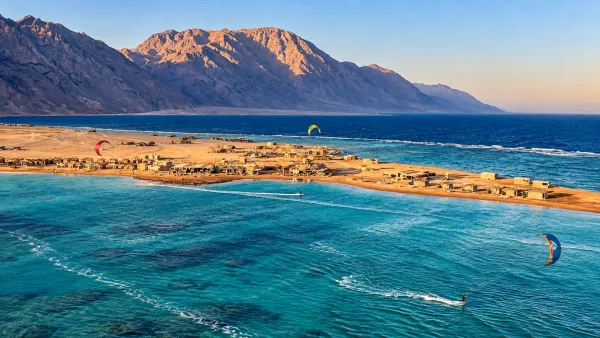
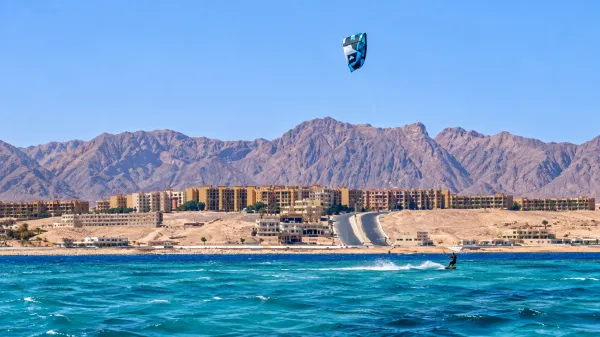
Ras Sudr is one of Egypt's most popular flat-water kitesurfing destinations, located on the eastern shore of the Gulf of Suez, on the western coast of the Sinai Peninsula. Known for its extensive shallow lagoons, sandy beaches and frequent northerly winds, Ras Sudr offers excellent conditions for beginners, intermediate riders and advanced freestyle enthusiasts. Unlike the deeper and more exposed waters found at many Red Sea destinations, the coastline around Ras Sudr features broad shallow-water areas and sheltered lagoons that provide relatively smooth riding conditions. The combination of accessible launching beaches, warm weather and established kite centres makes it particularly attractive for learning and progressing in kitesurfing.
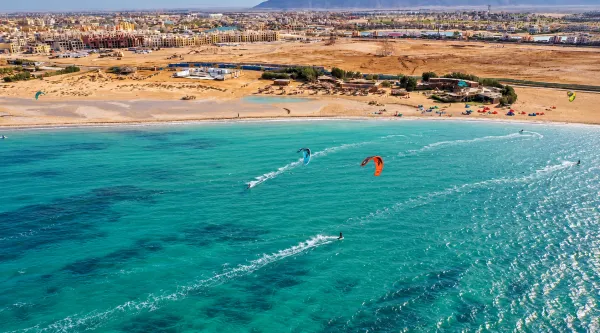
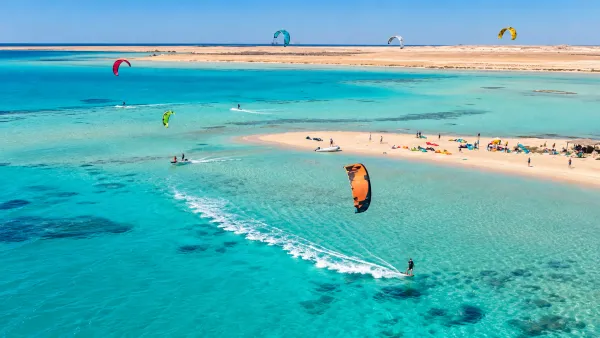
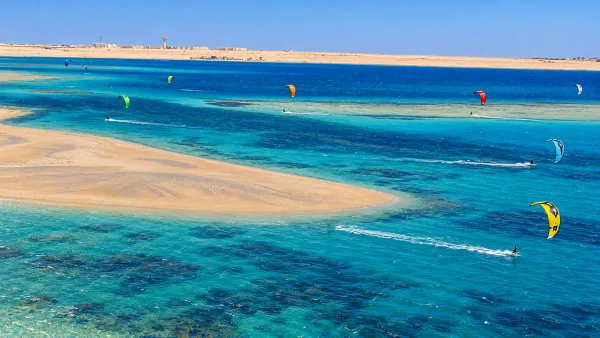
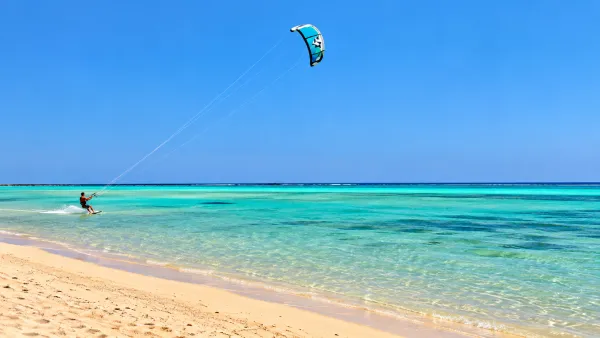
The main kitesurfing areas extend along several kilometres of coastline, with a series of shallow lagoons, sandbanks and open-water sections creating different riding environments. Many of the protected areas feature predominantly sandy bottoms and water depths ranging from knee-deep to waist-deep, depending on the tide and exact location. These conditions are especially appealing to beginners, who can practise water starts, recover their boards and develop upwind riding skills in relatively manageable water. Intermediate riders benefit from the smooth surface when learning transitions and jumps, while experienced kitesurfers can enjoy flat-water freestyle and powered manoeuvres where sufficient depth and space are available. Farther from the sheltered lagoons, the Gulf of Suez offers deeper water and more pronounced chop during stronger winds.
Ras Sudr benefits from the predominantly northerly and northwesterly winds that characterise the Gulf of Suez. These winds are influenced by regional pressure systems, the surrounding desert landscape and the geography of the gulf, which can channel and accelerate the airflow along the coastline. Depending on the exact launching location, the wind may arrive side-shore or cross-onshore, providing favourable conditions for freeriding and supervised lessons. However, wind direction varies between lagoons, and some sections may experience offshore components or gusts. Riders should always assess the wind angle at their chosen kite station rather than assuming that every beach offers the same conditions.
The main kitesurfing season generally extends from March through November, with spring, summer and early autumn providing particularly attractive wind opportunities. During favourable periods, wind speeds commonly range from approximately 16 to 25 knots, although lighter days and stronger episodes are possible. Summer is often associated with frequent northerly winds, making it a popular period for extended kitesurfing sessions. Spring and autumn can also offer excellent conditions, sometimes with more comfortable air temperatures. Winter riding remains possible, but wind reliability generally decreases and cooler conditions may require additional thermal protection. Although Ras Sudr is known for its frequent winds, calm periods can occur during any season.
One of the main attractions of Ras Sudr is the quality of its flat water. The shallow lagoons are naturally protected from larger waves, creating smooth or lightly rippled surfaces during moderate winds. When the wind strengthens, small wind-driven chop may develop, particularly in wider or more exposed sections. The sheltered conditions make Ras Sudr particularly suitable for practising water starts, transitions, upwind riding and freestyle manoeuvres without the additional challenge of significant shorebreak. However, the extremely shallow water in some areas requires caution, especially when attempting jumps or powered tricks. Riders should always select a sufficiently deep section before practising aerial manoeuvres.
Tides are an important factor when planning a session in Ras Sudr. At higher water levels, the lagoons generally provide larger continuous riding areas, while low tide can expose sandbanks and reduce water depth considerably. Some sections may become too shallow for riding, particularly for hydrofoils or riders using larger fins. The predominantly sandy seabed is relatively forgiving, but submerged obstacles, shells, hard patches and shallow channels can still present hazards. Riders should check local tide information and follow the guidance of kite centre staff regarding suitable launching times and riding boundaries. Hydrofoil kitesurfing is possible in deeper sections of the Gulf of Suez, but the extensive shallow-water areas require careful route selection.
Launching and landing are generally organised through established kite centres, beach camps and resort-based facilities distributed along the coastline. Well-known kitesurfing areas around Ras Sudr include locations near La Hacienda and other dedicated kite resorts, where operators provide lessons, equipment rental, storage and beach assistance. Some centres also offer rescue support within their designated riding areas, although availability and coverage should always be confirmed before entering the water. The sandy beaches provide practical spaces for preparing equipment, while organised launching corridors help separate beginners, independent riders and other watersports users. During busy weekends and peak holiday periods, popular kite stations can become crowded, making careful kite handling and respect for local procedures essential.
Ras Sudr is particularly well suited to beginners and intermediate kitesurfers looking for a supportive environment in which to improve their technique. The combination of shallow water, predominantly sandy bottoms and professional instruction makes it attractive for learning kite control, water starts and consistent upwind riding. More advanced riders can take advantage of the flat-water conditions for freestyle, jumping and longer freeride sessions, while deeper sections offer opportunities for hydrofoiling when the wind and water depth are appropriate. Some areas may also be suitable for longer-distance cruising or downwinders, but these activities require local knowledge, appropriate safety arrangements and confirmation of the permitted riding zones.
For riders searching for kitesurfing in Ras Sudr, beginner-friendly kite spots in Egypt or flat-water kitesurfing destinations along the Gulf of Suez, this extensive coastal area offers an excellent combination of seasonal northerly winds, shallow lagoons and established kite infrastructure. Its greatest strengths are the spacious sandy beaches, predominantly smooth water and opportunities for progression across a wide range of skill levels. Although tides, shallow sandbanks and occasional strong winds require attention, Ras Sudr remains one of Egypt's most accessible and versatile kitesurfing destinations, particularly for riders who prefer flat-water freeriding and freestyle conditions over exposed waves and ocean swell.
Ras Sudr is best suited for
Spot profile
Travel spot
The typical kite travel destination, it is known for its great conditions, and kiters from around the world come here for their vacations.
Family spot
Located in an area that offers amenities for all the family and can provide good alternatives for everyone when the kiters are in the water.
Equipment
A twin-tip or freeride board is the standard choice for Ras Sudr, paired with a kite sized around 10 to 12 meters for average spring to autumn wind, while lighter or heavier riders and off-peak months may require smaller or larger sizes to match the variable 16 to 25 knot range. During the peak summer period, water and air temperatures are warm enough that most riders go out in just a lycra, but in cooler months, especially in early spring or late autumn, a shorty or thin wetsuit provides comfort on longer sessions. Footwear such as booties is rarely essential given the sandy lagoon bottom and absence of coral, though if walking out to deeper water in less maintained sections, some riders prefer to use them for added protection. Standard harnesses and basic freeride gear complete a typical Ras Sudr setup.
Wind Conditions
Main wind directions at Ras Sudr
Windy days per month in Ras Sudr
Wind Speed Range
From 16 to 25 Knots
Suggested sizes
8 - 9 mt
10 - 11 mt
12 - 13 mt
Forecast on Windy.com
Kitesurfing Safety & Local Rules at Ras Sudr
The main hazards at Ras Sudr come from shallow water, changing tides and exposed sandbanks. Large sections of the lagoon are waist-deep or shallower, making hard falls, jumps and powered manoeuvres potentially dangerous. At low tide, fins and hydrofoil equipment can strike the sandy bottom, while shifting sandbanks may create unexpected shallow patches. Always check water depth before riding and avoid jumping in very shallow areas.
Wind direction requires particular attention, as offshore or cross-offshore conditions can occur depending on the launching location. Stronger gusts and changing wind angles may make returning to shore difficult, especially for riders who venture too far from the designated area. Check the forecast, assess the wind before launching and confirm that rescue assistance is available when conditions require it.
During busy periods, launching areas can become crowded with kite school students, independent riders and other beach users. Different kite centres may operate separate launching corridors and riding zones, sometimes shared with windsurfers. Respect local boundaries, maintain safe distances and inspect the beach for debris before setting up equipment. Extra caution is recommended near swimming areas and during crowded launching and landing operations.
Location
Closest City
Ras Sudr
How to get There
Most riders reach Ras Sudr by driving from Cairo, with the trip commonly described as about 200 km and roughly 3 hours by car. For international travel, the usual approach is to fly into Cairo and continue by road to the Sinai-side Gulf of Suez coast.
Access
The spot is generally publicly reachable through the kite centers, resorts, and beach camps operating in the Ras Sudr area, and several sources say access and facility use can be free or handled through the local camp or center. In practice, many visitors enter through a resort, school, or kite center rather than an isolated public beach, and some locations are arranged as private or managed beachfront facilities with their own services and operating rules.
No-Wind Days: What to Do Around Ras Sudr
Beyond kitesurfing, Ras Sudr offers a peaceful and distinctive holiday experience on Egypt's Gulf of Suez coast, combining shallow turquoise lagoons, sandy beaches, desert landscapes and a relaxed resort atmosphere. Located on the western coast of the Sinai Peninsula, approximately 200 kilometres from Cairo, Ras Sudr is particularly popular with Egyptian weekend visitors and international kitesurfers seeking an escape from crowded tourist destinations. Unlike the larger Red Sea resorts of Hurghada or Sharm El Sheikh, the area remains relatively quiet, with most accommodation and recreational facilities concentrated around beachfront kite camps and small resorts. For a kitesurfing trip with non-kiters or a family holiday in South Sinai, Ras Sudr provides a comfortable environment where relaxation, outdoor activities and simple coastal experiences take priority over nightlife and extensive sightseeing.
One of the greatest attractions of Ras Sudr is its beautiful natural coastline. Long sandy beaches, shallow lagoons and expansive views across the Gulf of Suez create an ideal setting for peaceful walks, photography and relaxation. Visitors can enjoy sunbathing, reading by the water or swimming in designated areas when conditions and water depth are suitable. The surrounding landscape is particularly attractive during sunrise and sunset, when the changing light transforms the colours of the desert and sea. Unlike heavily developed resort cities, Ras Sudr offers extensive open spaces and a sense of tranquillity that appeals to travellers looking to disconnect from busy daily routines. Some beachfront camps provide shaded seating, hammocks and comfortable lounge areas where non-kiters can spend the day overlooking the lagoon.
The resort-based lifestyle is central to the Ras Sudr experience. Beachfront properties such as La Hacienda and other established kite resorts offer swimming pools, restaurants, cafés and relaxation areas within walking distance of the sea. Depending on the property, visitors may also find spa treatments, fitness facilities, yoga sessions or organised recreational activities. This makes the destination particularly convenient for couples and groups with different interests, as non-kiting partners can enjoy resort amenities while riders spend time on the water. The atmosphere is generally informal and social, with shared meals, sunset gatherings and relaxed evenings replacing the busy nightlife found in larger tourist destinations. Facilities vary considerably between camps and resorts, so choosing accommodation that matches the needs of the whole group is important.
For visitors interested in exploring the surrounding landscape, the desert areas around Ras Sudr offer opportunities for guided excursions and scenic drives. The western Sinai Peninsula is characterised by arid mountains, rocky valleys and broad desert plains, creating beautiful scenery for photography and outdoor exploration. Local operators may arrange jeep excursions, desert walks or visits to viewpoints overlooking the Gulf of Suez. These activities provide an interesting contrast to the coastal lagoons and allow visitors to appreciate the rugged natural environment of South Sinai. Because organised tourism outside the resort areas is relatively limited, excursions should be arranged with experienced local guides who understand road conditions, access restrictions and the desert environment. Visitors should carry adequate drinking water and avoid strenuous outdoor activities during the hottest hours of the day.
One of the region's most unusual attractions is the area around Hammam Faraun, also known as Pharaoh's Bath, situated along the Gulf of Suez coast north of Ras Sudr. This natural geothermal site is associated with hot mineral springs emerging near the shoreline and has long been recognised as a distinctive geological feature of the region. The surrounding coastal landscape provides an interesting stop for visitors travelling along the western Sinai road. However, water temperatures can be dangerously high, and access to geothermal areas may be restricted or unsuitable for bathing. Visitors should treat the location primarily as a natural sightseeing attraction unless safe, officially managed facilities are available. Guided visits can also provide an opportunity to learn about the geological processes responsible for the area's thermal activity.
The wider western Sinai region also offers opportunities to discover traditional Egyptian coastal settlements and local culture. Ras Sudr town provides basic shops, markets, cafés and restaurants, giving visitors a glimpse of everyday life beyond the beachfront resorts. The town is considerably quieter than Egypt's major tourist centres, but its local establishments can be interesting for travellers who enjoy exploring less commercial destinations. Visitors can sample traditional Egyptian dishes, purchase everyday supplies or simply experience the slower rhythm of a small Gulf of Suez community. Depending on the season and local availability, guided excursions may also introduce visitors to aspects of Bedouin culture and traditional desert life. Such experiences are best arranged through reputable local operators who work respectfully with the communities involved.
For families travelling with children, Ras Sudr provides a relaxed alternative to busier Egyptian holiday resorts. Many beachfront properties offer swimming pools, sandy play areas and informal recreational facilities, allowing families to enjoy a comfortable holiday without travelling long distances between activities. The wide beaches provide space for walking and outdoor games, while shaded resort areas offer opportunities to relax during the hottest part of the day. Some camps organise family-friendly activities, although children's clubs and supervised entertainment are less widespread than in major resort destinations. Parents should also be aware that shallow lagoons are not automatically safe for unsupervised swimming, particularly when winds, tides or water conditions change. For a family kitesurfing holiday in South Sinai, choosing a resort with suitable facilities and reliable beach supervision is particularly important.
Travellers interested in Egyptian history can consider combining their Ras Sudr holiday with time in Cairo. The Egyptian capital offers some of the country's most extraordinary cultural attractions, including the Pyramids of Giza, the Great Sphinx, historic Islamic Cairo and major museums dedicated to ancient Egyptian civilisation. Because Cairo is several hours away by road, these attractions are better suited to a separate overnight visit or a stop before or after the beach holiday rather than a casual afternoon excursion. Visitors can explore ancient monuments, traditional markets and the city's remarkable architectural heritage. Further information about Egypt's archaeological attractions is available through the official Egyptian monuments website, while the UNESCO World Heritage listing for Memphis and its Necropolis provides historical background on the Giza pyramid complex and surrounding ancient sites.
Food and accommodation in Ras Sudr are closely connected to the beachfront resort lifestyle. Visitors can choose between simple bungalows, kite camps, holiday apartments and more comfortable resort hotels, depending on their budget and preferred level of service. Many properties provide restaurants or meal packages, while some offer beach bars and informal dining areas overlooking the lagoon. Menus commonly include grilled meats, seafood, Egyptian specialities and international dishes. Outside the resorts, restaurant choices are more limited, so travellers should check the availability of meals, shops and transport before booking accommodation. The relatively isolated setting encourages a slower holiday rhythm, with evenings often spent enjoying dinner, conversation and the peaceful coastal atmosphere. Additional information about travelling in Egypt can be found on the official Egyptian tourism website.
For anyone planning a kite trip to Ras Sudr and wondering what else there is to do, the western Sinai coast offers a different kind of Egyptian holiday, focused on natural scenery, relaxation and simple outdoor experiences rather than major tourist attractions. A no-wind day can include walking along the lagoon, relaxing beside a resort swimming pool, enjoying a beachside meal, exploring the surrounding desert with a local guide or visiting the geothermal landscape around Hammam Faraun. Travellers with more time can combine their stay with cultural sightseeing in Cairo. With its peaceful atmosphere, convenient beachfront accommodation and opportunities for families and non-kiting partners to unwind, Ras Sudr is an attractive destination for combining kitesurfing with a relaxed beach holiday on Egypt's Gulf of Suez coast.