Kitesurfing in Zaafarana
Zafarana - Egypt
Spot Type
Chop
Water
Dark - Clear
Beach
Sand
Rider Level
beginner
Spot characteristics
Spot Type
Chop
Rider Skill
beginner
Crowd
Few people on the spot
Beach Type
Sand
Water Quality
Dark - Clear
Tide Influence
Tide independent
Kitesurfing in Zaafarana: Conditions, Wind & Season
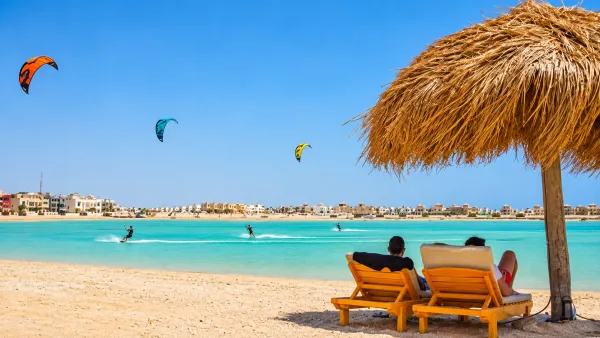
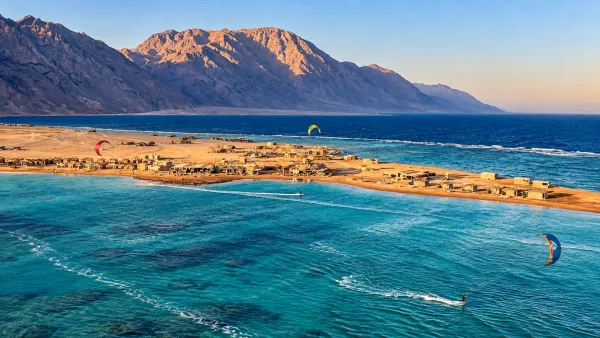
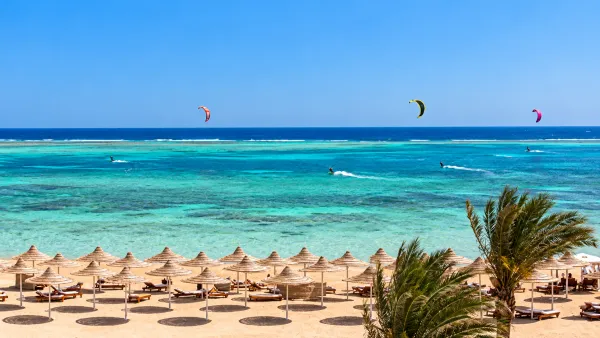
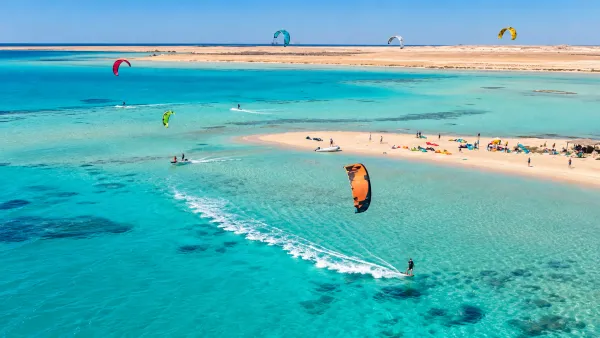
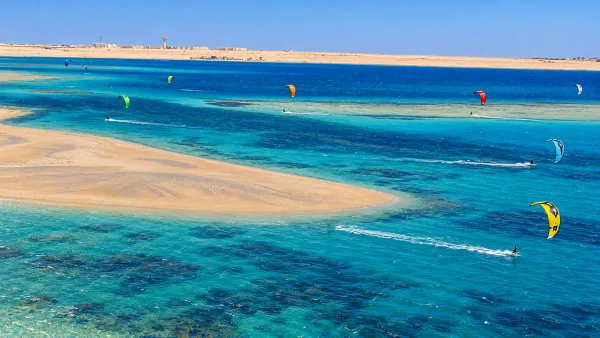
Zaafarana is one of Egypt's established kitesurfing destinations, located on the western shore of the Gulf of Suez, along the northern Red Sea coastline between Ain Sokhna and Ras Gharib. Known for its expansive desert landscape, predominantly sandy beaches and frequent northerly winds, Zaafarana offers an appealing environment for riders looking for spacious flat-water conditions away from the larger resort centres. The coastline is relatively undeveloped compared with destinations such as Hurghada or El Gouna, giving the spot a more isolated and natural character. Its combination of accessible launching areas, shallow coastal water and strong seasonal winds makes Zaafarana particularly attractive for freeriding, learning and improving kitesurfing technique.
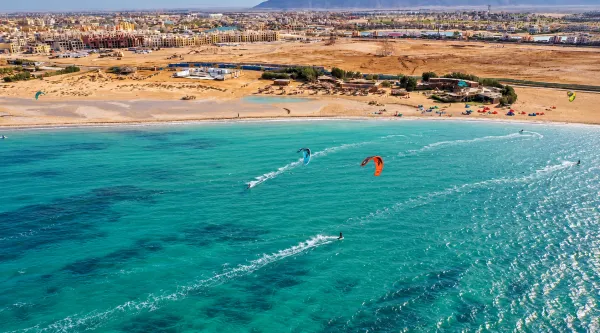
The main kitesurfing area extends along a broad stretch of sandy coastline, where the beach generally provides ample space for preparing equipment, launching and landing. The gently sloping seabed creates shallow-water sections that can be suitable for beginners practising water starts and basic board control under professional supervision. In favourable conditions, the nearshore water remains relatively smooth, offering a comfortable environment for learning transitions and improving upwind riding. Farther from the beach, the water becomes progressively deeper and more exposed, with wind-driven chop developing as the breeze strengthens. Although Zaafarana is often described as a flat-water destination, the exact conditions depend on the chosen launching location, wind strength and local coastal features.
Zaafarana benefits from the predominantly northerly and northwesterly winds that characterise the Gulf of Suez. The elongated geography of the gulf, combined with the surrounding desert mountains and regional pressure patterns, can channel and accelerate the airflow along the coastline. At suitable launching beaches, the prevailing wind often arrives side-shore or cross-onshore, creating favourable conditions for freeriding and allowing riders to maintain relatively predictable courses along the coast. However, wind direction can vary between individual beaches, and some locations may experience offshore components or stronger gusts. Riders should always assess the actual wind angle and local conditions before launching, particularly when kiting independently in less developed areas.
The main kitesurfing season generally extends from April through October, with late spring, summer and early autumn offering particularly attractive wind opportunities. During favourable periods, wind speeds commonly range from approximately 15 to 25 knots, although lighter days and stronger episodes approaching or exceeding 30 knots are possible. The frequent northerly airflow makes Zaafarana an appealing destination for riders who enjoy powered freeriding and extended sessions. Spring and autumn can provide enjoyable conditions with more moderate air temperatures, while summer often combines strong wind with intense sunshine and high temperatures. Winter kitesurfing is also possible when suitable weather systems develop, although wind reliability generally decreases and cooler conditions may require additional thermal protection.
Water conditions at Zaafarana are generally characterised by relatively flat nearshore sections and increasing chop farther offshore. The absence of significant ocean swell in the sheltered parts of the Gulf of Suez makes the spot particularly suitable for freeriding, practising transitions and developing basic freestyle skills. During lighter winds, the water can remain smooth or only lightly rippled, while stronger northerly winds may produce short, closely spaced chop in more exposed sections. Although small wind-driven waves can occasionally develop, Zaafarana is not primarily a wave-kitesurfing destination. Riders seeking large breaking waves or traditional surf conditions will generally find the area less suitable than exposed ocean locations.
The predominantly sandy seabed is one of Zaafarana's main advantages, particularly for beginners who benefit from relatively comfortable standing areas. However, the coastline should not be assumed to be completely free of hazards. Depending on the location, submerged stones, shells, debris and occasional hard-bottom sections may be present, especially outside established launching areas. Water depth can also change unexpectedly, and shallow sections may become unsuitable for jumping or powered freestyle manoeuvres. Riders should inspect the launching beach, familiarise themselves with underwater obstacles and avoid attempting aerial tricks in insufficient water depth. Protective footwear may be useful where the seabed contains sharp shells or other hazards.
Tidal variations in the Gulf of Suez can influence water depth and the width of the shallow riding area. Although some beaches remain accessible across much of the tidal cycle, riders should not assume that Zaafarana is completely unaffected by tides. At lower water levels, shallow sections may become more restrictive, while higher water can provide easier access to deeper riding areas. Hydrofoil kitesurfing may be possible farther offshore where sufficient depth is available, but the shallow coastal flats require careful route selection. Riders using hydrofoils should also consider the potential for stronger chop and increased exposure away from the beach, particularly during powerful northerly winds.
Zaafarana is particularly suitable for beginners and intermediate kitesurfers looking for open riding space and relatively manageable water conditions. The shallow sandy sections can provide a practical environment for learning kite control, water starts and consistent upwind riding under appropriate supervision. Intermediate riders can take advantage of the broad coastal area to practise carving turns, transitions and longer freeride runs, while experienced kitesurfers can enjoy powered cruising, jumping and freestyle in sufficiently deep water. The generally spacious environment is an advantage for riders who prefer to practise without the congestion sometimes found at more developed Red Sea kite centres. Nevertheless, available space and crowd levels can vary depending on the season and the specific beach.
Kitesurfing infrastructure around Zaafarana is relatively limited compared with Egypt's major resort destinations. Facilities may include dedicated kite stations, basic accommodation and organised launching areas, but the availability of professional instruction, equipment rental, storage and rescue services should be confirmed before travelling. Some sections of the coastline are remote and may not have permanent supervision or immediate emergency assistance. Independent riders should therefore take particular care when assessing wind direction, equipment condition and rescue possibilities. Kitesurfing with a companion, carrying appropriate safety equipment and remaining within a manageable distance of shore are especially important where organised rescue support is unavailable.
For riders searching for kitesurfing in Zaafarana, flat-water kite spots in the Gulf of Suez or uncrowded kitesurfing destinations in Egypt, this desert-fringed coastline offers an attractive combination of seasonal northerly winds, sandy beaches and open riding space. Its greatest strengths are the relatively straightforward beach access, opportunities for freeriding and progression, and the absence of extensive resort development. Although strong winds, changing water depths and limited local infrastructure require careful preparation, Zaafarana remains an appealing destination for kitesurfers who value spacious conditions, long riding sessions and a simple, wind-focused experience on Egypt's northern Red Sea coast.
Zaafarana is best suited for
Spot profile
Travel spot
The typical kite travel destination, it is known for its great conditions, and kiters from around the world come here for their vacations.
Adventure spot
That dream place out of the normal touristic routes. Once you reach it, you feel in paradise, it can be anything extraordinary, a hidden gem, remote and fascinating.
Equipment
Medium to smaller kites between 7 and 12 meters are ideal for Zaafarana, especially in the windier months May through September, while lighter days may require something larger if conditions soften. Riders typically favor a twin-tip board, with beginners often choosing a larger, stable model to make waterstarts and upwind work easier, and more advanced kiters opting for a freestyle or freeride board. In the warmer months, riding is comfortable in boardshorts or a thin wetsuit, and a shorty is a good idea in early spring or late autumn when sessions go long or the breeze feels cooler. Footwear is optional due to the sandy beach and bottom, but thin reef shoes can be useful for added comfort or if there is debris near shore. Foil boards are also a suitable alternative for light-wind sessions, though most riding focuses on regular twin-tip setups.
Wind Conditions
Main wind directions at Zaafarana
Windy days per month in Zaafarana
Wind Speed Range
From 12 to 30 Knots
Suggested sizes
7 mt and below
8 - 9 mt
10 - 11 mt
12 - 13 mt
Forecast on Windy.com
Kitesurfing Safety & Local Rules at Zaafarana
The main hazards at Zaafarana come from strong, sometimes gusty winds and the exposed nature of the coastline. With little natural shelter, wind conditions can become demanding, particularly during stronger seasonal wind episodes. Although the shallow sandy water is generally forgiving, riders who lose control or experience equipment problems may drift considerable distances downwind, especially when riding farther from shore.
The open bay provides plenty of riding space, but deeper water and long distances can make self-rescue challenging. Zaafarana is relatively isolated, and immediate rescue assistance should not be assumed. Avoid venturing too far offshore or downwind without reliable support, remain aware of changing wind conditions and ensure you can perform self-rescue if necessary.
Launching and landing areas are generally spacious and sandy, but strong winds require careful kite handling, particularly near the local kite station and other riders. Respect any access restrictions, follow station instructions and maintain safe distances when preparing or handling equipment. Check wind conditions and rescue arrangements before launching, especially if you are unfamiliar with the spot.
Location
Closest City
Zafarana
How to get There
Most riders reach Zaafarana by driving from Cairo, which is roughly a 2-hour to 3-hour road transfer depending on traffic and exact departure point. It also sits on the route between Cairo and Hurghada, so it is often combined with a Red Sea road trip rather than visited by a dedicated airport transfer. The nearest major flight gateway is Cairo International Airport for the shortest overland run, while Hurghada can also work if the trip is part of a longer Egypt kitesurfing road itinerary.
Access
The spot is described as directly on the beach near the Royal Zaafarana area and a local kite/windsurf station, with sandy public shoreline access in practice. However, some spot guides mention that kiting at the location may be tied to local organization or station arrangements, so access can be more regulated than at a completely open public beach. In practical terms, riders should expect a simple sandy approach by road and possible check-in with the local station rather than a formal paid beach club system.
No-Wind Days: What to Do Around Zaafarana
Beyond kitesurfing, Zaafarana offers a peaceful and unusually remote holiday experience along Egypt's Gulf of Suez coast. Located between Ain Sokhna and Ras Gharib, on the western shore of the Gulf of Suez, Zaafarana is surrounded by vast desert landscapes, rugged mountains and long stretches of largely undeveloped coastline. Unlike the busy resort destinations of Hurghada and Sharm El-Sheikh, the area has very limited tourist infrastructure, making it particularly attractive for visitors seeking tranquillity, open spaces and a genuine escape from crowded holiday destinations. For a kitesurfing trip with non-kiters, Zaafarana is best suited to travellers who appreciate nature, photography and simple beachfront relaxation rather than shopping, nightlife or organised entertainment.
One of Zaafarana's greatest attractions is its spectacular natural setting. The contrast between the blue waters of the Gulf of Suez, the golden desert and the rugged mountains of Egypt's Eastern Desert creates a distinctive landscape that is particularly beautiful during the early morning and late afternoon. Visitors can enjoy long walks along the shoreline, relax on the sand or simply admire the expansive coastal views. The relative absence of large tourist developments gives the area a peaceful atmosphere, with little noise beyond the wind and the sea. Photography enthusiasts will find plenty of inspiration in the changing colours of the desert, the open coastline and the dramatic mountain silhouettes. Swimming may be possible in suitable locations, although visitors should check local conditions and avoid entering the water without reliable information about currents, depth and any nearby hazards.
The surrounding Eastern Desert provides opportunities for visitors interested in geology, landscapes and outdoor exploration. The region is characterised by rocky mountains, dry valleys and extensive desert plains, offering beautiful scenery for photography and guided excursions. Short walks around accessible coastal areas can reveal interesting geological formations and panoramic viewpoints, while longer trips into the desert require suitable vehicles and experienced local guides. Unlike the more developed resort regions farther south, organised excursions are not widely available in Zaafarana itself, so any desert exploration should be arranged in advance. Visitors should avoid travelling into remote areas independently, particularly because mobile coverage, road access and emergency services can be limited. During summer, outdoor activities are best planned for the cooler hours of the day.
One of the most interesting cultural destinations in the wider Zaafarana region is the Monastery of Saint Anthony, situated inland near the Red Sea Mountains. Traditionally regarded as one of the oldest Christian monasteries in the world, it is associated with Saint Anthony the Great, an important figure in the development of Christian monasticism. The monastery is located in a dramatic desert setting beneath rugged mountains and contains historic religious buildings, ancient artwork and a remarkable spiritual heritage. Visits may be possible subject to the monastery's current access arrangements, religious observances and security requirements. Because the site is located away from the main coastal road, travellers should organise suitable transport and confirm visiting conditions in advance. Information about Egypt's religious and cultural heritage can be found through the official Egyptian tourism website.
Another significant historical attraction in the region is the Monastery of Saint Paul, also located in the Eastern Desert near the Gulf of Suez. Dedicated to Saint Paul of Thebes, an early Christian hermit, the monastery has a long religious history and occupies a secluded location surrounded by mountains. Its historic buildings, religious artwork and peaceful atmosphere make it an interesting destination for visitors interested in Egypt's early Christian heritage. The monasteries of Saint Anthony and Saint Paul can sometimes be combined into a longer cultural excursion, although distances, road conditions and visiting restrictions should be checked carefully. These destinations provide a fascinating contrast to Zaafarana's beach environment and reveal a lesser-known aspect of Egypt's historical landscape.
For visitors looking for a more developed coastal environment, Ain Sokhna offers additional resort facilities and recreational opportunities farther north along the Gulf of Suez. This popular weekend destination for Cairo residents features beachfront hotels, restaurants, swimming pools and spa facilities. Depending on the chosen resort, visitors may enjoy beach clubs, wellness treatments and organised leisure activities. The wider Ain Sokhna area also provides access to shopping and dining facilities that are generally unavailable in Zaafarana. Because the journey involves a considerable drive, it is better suited to a planned excursion or a stop during a longer coastal road trip rather than a casual evening outing.
The Gulf of Suez coastline itself is an interesting destination for travellers who enjoy scenic drives and discovering remote landscapes. The road connecting Zaafarana with Ain Sokhna to the north and Ras Gharib to the south passes through an unusual environment where desert mountains approach the sea. Along the route, visitors can admire expansive coastal views, isolated beaches and the dramatic contrast between arid land and blue water. Some sections of the coastline are associated with industrial facilities, ports or restricted areas, so travellers should remain on public roads and avoid entering unfamiliar beaches or installations without permission. The region's appeal lies primarily in its scenery and sense of remoteness rather than conventional tourist attractions.
For visitors interested in combining a Zaafarana holiday with major cultural sightseeing, Cairo is a possible addition to a longer Egyptian itinerary. The capital offers extraordinary attractions, including the Pyramids of Giza, the Great Sphinx, historic Islamic Cairo and museums dedicated to ancient Egyptian civilisation. Because Cairo is several hours away by road, it is more practical to visit before or after a stay in Zaafarana rather than attempting a rushed day trip. Travellers can explore ancient monuments, traditional markets and some of the country's most important historical landmarks. Further information about Egypt's archaeological attractions is available through the official Egyptian monuments website, while the UNESCO World Heritage listing for Memphis and its Necropolis provides historical background on the Giza pyramids and surrounding ancient sites.
For non-kiting partners and families, Zaafarana offers a simple and quiet environment centred on beach relaxation rather than extensive recreational facilities. Visitors can enjoy reading by the sea, taking photographs, walking along the coast or relaxing at their accommodation between outdoor activities. Some beachfront properties may provide swimming pools, restaurants or shaded seating areas, but the availability and quality of facilities vary considerably. Unlike larger Egyptian resorts, Zaafarana generally lacks organised children's entertainment, shopping centres and a wide selection of restaurants. Families should therefore choose accommodation carefully and confirm the availability of suitable meals, swimming facilities, transport and medical assistance before travelling. The destination is most appropriate for visitors comfortable with a relatively isolated setting and limited services.
Food and accommodation in Zaafarana reflect the area's modest tourist development. Most visitors rely on a small number of beachfront hotels, kite-oriented properties or accommodation associated with local watersports facilities. Dining options are limited, with meals often provided directly by the accommodation rather than through independent restaurants. Visitors planning a longer stay should consider bringing snacks, drinking water and essential personal supplies, particularly if travelling without their own vehicle. Pharmacies, supermarkets and specialised services may be difficult to access nearby, so advance preparation is important. Evenings are generally quiet, with opportunities to enjoy the coastal scenery, relax after a day outdoors or observe the night sky away from the brighter lights of major resort cities. Stargazing conditions depend on weather, moonlight and local lighting, but the remote desert setting can provide beautiful views of the stars.
For anyone planning a kite trip to Zaafarana and wondering what else there is to do, Egypt's Gulf of Suez coast offers a peaceful experience focused on natural landscapes, desert scenery and a small number of fascinating cultural attractions. A no-wind day can include exploring accessible sections of the coastline, photographing the desert mountains, enjoying a quiet beach walk or arranging a visit to the historic monasteries of Saint Anthony and Saint Paul. Travellers with more time can combine their stay with the resort facilities of Ain Sokhna or the extraordinary monuments of Cairo. With its remote atmosphere, expansive scenery and minimal distractions, Zaafarana is an attractive destination for combining kitesurfing with relaxation and a genuine escape from busy tourist areas, particularly for non-kiting partners who appreciate solitude and simple outdoor experiences.