Kitesurfing in Marsa Alam
Marsa Alam - Egypt
Spot Type
Flat
Water
Crystal Clear
Beach
Sand
Rider Level
beginner
Spot characteristics
Spot Type
Flat
Rider Skill
beginner
Crowd
Seasonal Crowd
Beach Type
Sand
Water Quality
Crystal Clear
Tide Influence
Tide independent
Kitesurfing in Marsa Alam: Conditions, Wind & Season
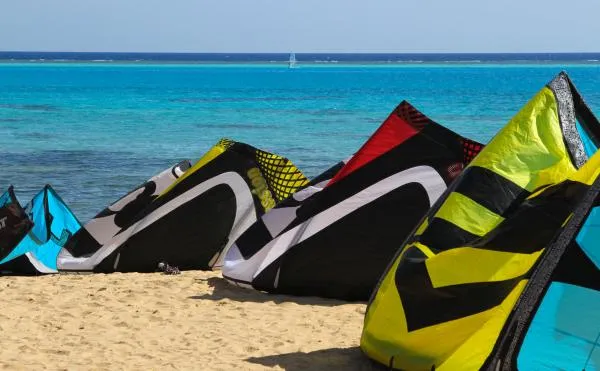
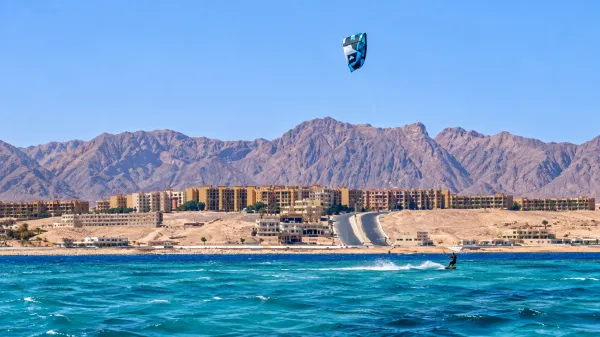
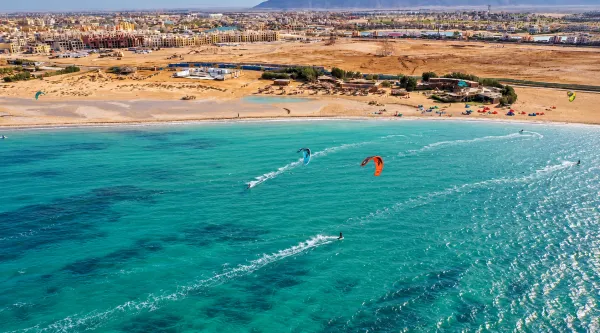
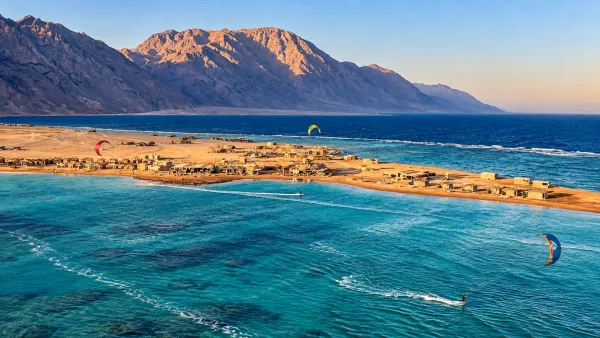
Marsa Alam is one of Egypt's most attractive kitesurfing regions, located on the southern Red Sea coast, approximately 270 kilometres south of Hurghada. Known for its crystal-clear turquoise waters, extensive coral reefs and relatively undeveloped coastline, Marsa Alam offers a collection of sheltered lagoons and sandy bays rather than a single concentrated kitesurfing beach. The region is particularly appreciated by beginners, intermediate riders and flat-water enthusiasts looking for warm water, seasonal northerly winds and spacious riding areas. Compared with the more developed kite destinations farther north, Marsa Alam provides a quieter environment, with many of its best riding locations associated with dedicated kite centres and coastal resorts.
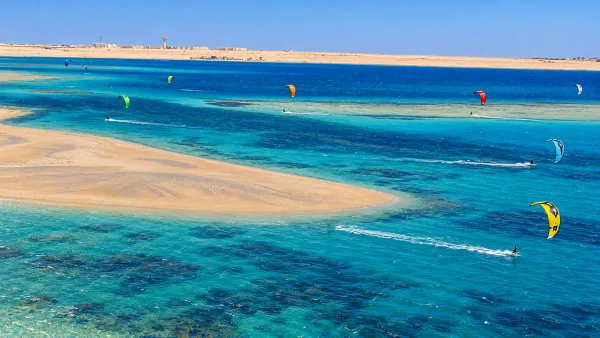
The main kitesurfing areas are distributed along the coastline north and south of Marsa Alam, with well-known locations including El Naaba Bay and the lagoons around Casa Mare. These spots offer different combinations of shallow sandy water, sheltered riding zones and more exposed sections closer to the open Red Sea. The extensive fringing reefs act as natural barriers against larger waves, creating relatively smooth conditions inside many of the lagoons. Depending on the location, riders can enjoy broad flat-water areas suitable for learning and freestyle, while more exposed sections develop moderate chop during stronger winds. However, the coastline varies considerably between spots, and not every lagoon is suitable or authorised for kitesurfing.
Marsa Alam benefits from the predominantly northerly and north-northwesterly winds that characterise much of Egypt's Red Sea coast. These winds are influenced by regional pressure systems, the surrounding desert landscape and the orientation of the coastline, which can help channel the airflow along the shore. At suitable launching locations, the wind generally arrives side-shore or cross-onshore, providing favourable conditions for freeriding and supervised lessons. However, wind direction can vary between bays, and some sections may experience offshore components, gusts or wind shadows caused by coastal terrain and resort buildings. Riders should always assess the conditions at their chosen kite station before launching.
The main kitesurfing season generally extends from April through October, with particularly attractive conditions during late spring, summer and early autumn. During favourable periods, wind speeds commonly range from approximately 15 to 23 knots, although lighter days and stronger episodes are possible. June, July and August often provide frequent windy conditions, making summer a popular period for extended kitesurfing sessions. Spring and autumn can also offer excellent riding opportunities, sometimes with more comfortable air temperatures. Winter kitesurfing remains possible, but wind reliability generally decreases and cooler conditions may require additional thermal protection. As with other Red Sea destinations, calm periods can occur even during the most reliable months.
El Naaba Bay is one of the region's distinctive kitesurfing locations, offering a combination of sheltered shallow-water sections and more open riding areas. The spot is often described as having two principal zones, commonly referred to as Baby Bay and Giant Bay. Baby Bay provides relatively protected conditions with smooth water and shallow sections that can be attractive for beginners under professional supervision. Giant Bay offers a broader riding environment, with more space for freeriding and potentially increased chop as riders move toward exposed water. The surrounding reef formations reduce the impact of larger Red Sea waves, although stronger winds can still produce demanding conditions. Water depth, access routes and suitable riding boundaries should always be confirmed locally.
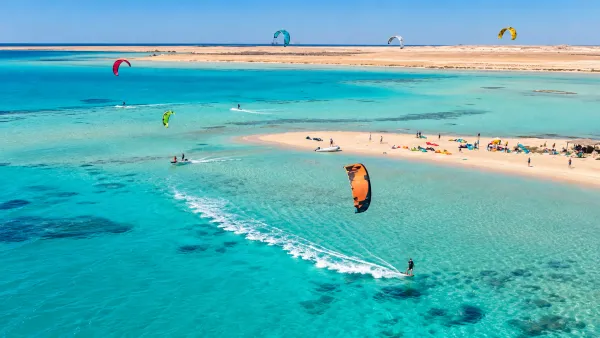
The lagoons around Casa Mare offer another attractive environment for flat-water kitesurfing. These sheltered coastal areas provide broad stretches of relatively smooth water, with sandy sections suitable for launching and practising manoeuvres. The available space can accommodate different riding styles, from beginner progression to intermediate freeriding and freestyle. During moderate winds, the protected lagoon surface is particularly enjoyable for practising transitions, improving upwind technique and developing board control. Stronger winds can generate short chop in the more exposed sections, while areas closer to the reef may contain submerged obstacles or rapidly changing water depths. Riders should follow the designated routes and avoid entering shallow coral zones.
One of Marsa Alam's greatest advantages is the variety of water conditions available across its different lagoons. Many sheltered sections offer flat or lightly rippled water, while deeper areas provide sufficient space for longer freeride runs and more advanced manoeuvres. Hydrofoil kitesurfing is possible in appropriately deep sections, but the extensive reef systems and shallow sandbanks make careful route selection essential. Some exposed areas beyond the protective reefs may develop small waves or more pronounced chop during stronger winds, although Marsa Alam is generally better known for flat-water riding than wave kitesurfing. Access to the open sea may also be restricted by reef passages, marine protection rules or local navigation conditions.
Tides and changing water levels are important considerations throughout the Marsa Alam coastline. At higher water levels, shallow lagoons may provide more continuous riding space, while low tide can expose coral heads, reef flats and sandbanks that make certain sections unsuitable for kitesurfing. Although many launching areas have predominantly sandy bottoms, submerged coral formations and rocky patches can present serious hazards during falls or board recovery. Riders should avoid standing on living coral, maintain sufficient clearance from reef structures and never attempt jumps in extremely shallow water. The exceptional clarity of the Red Sea can make underwater obstacles visible, but it should not be relied upon as a substitute for local knowledge.
Launching and landing are generally organised through established kite centres and resort-based watersports facilities. These operators provide designated rigging areas, professional instruction, equipment rental, storage and beach assistance. Some centres also offer rescue boats within their authorised riding zones, although availability and coverage should always be confirmed before entering the water. Because many kite beaches are associated with hotels or privately managed facilities, access arrangements may differ between locations. Riders should check whether independent launching is permitted, whether a station fee applies and which areas are reserved for lessons or other watersports activities. During busy periods, maintaining safe distances from students and other riders is essential.
Marsa Alam is particularly suitable for beginners and intermediate kitesurfers seeking structured progression in relatively sheltered conditions. Shallow sandy sections provide favourable opportunities for learning water starts, practising upwind riding and improving transitions under professional supervision. More advanced riders can enjoy flat-water freestyle, longer freeride sessions and controlled jumping where sufficient water depth is available. The variety of lagoons also makes the region attractive for riders who prefer exploring different flat-water environments rather than remaining at a single beach. However, strong winds, reef hazards and changing water depths mean that each spot must be assessed individually, and beginners should avoid riding independently outside designated training areas.
For riders searching for kitesurfing in Marsa Alam, flat-water kite spots in southern Egypt or sheltered Red Sea kitesurfing destinations, this extensive coastline offers an appealing combination of seasonal northerly winds, turquoise lagoons and professional kite facilities. Its greatest strengths are the variety of riding locations, predominantly smooth water and opportunities for progression across different skill levels. Although reefs, tides and local access restrictions require careful attention, Marsa Alam remains one of Egypt's most distinctive kitesurfing regions, particularly for freeriding, freestyle and relaxed sessions in the protected waters of the southern Red Sea.
Marsa Alam is best suited for
Spot profile
Travel spot
The typical kite travel destination, it is known for its great conditions, and kiters from around the world come here for their vacations.
Family spot
Located in an area that offers amenities for all the family and can provide good alternatives for everyone when the kiters are in the water.
Equipment
A twin-tip is the most practical board for most sessions since the focus is on flat-water freeriding and freestyle practice inside lagoon areas. Hydrofoil boards are another strong option for those seeking smooth long-distance rides or when wind drops to the low teens. Typical kites are 9-12 meters for average wind; larger kites are useful on the lighter days and smaller sizes for stronger periods in peak season. Full wetsuits are rarely needed outside the winter; boardshorts or a shorty work well through most of the season and a thin spring suit is enough in the shoulder months or if you tend to feel cold. Booties aren't required for the major sandy lagoons, but might be helpful if you're stepping near reef sections or if there is broken coral in a given launch area.
Wind Conditions
Main wind directions at Marsa Alam
Windy days per month in Marsa Alam
Wind Speed Range
From 12 to 23 Knots
Suggested sizes
8 - 9 mt
10 - 11 mt
12 - 13 mt
14 mt and above
Forecast on Windy.com
Kitesurfing Safety & Local Rules at Marsa Alam
The main hazards at Marsa Alam come from sharp coral reefs, submerged rocks and sudden changes in water depth. Although the sandy lagoons generally provide safe conditions, shallow coral heads and exposed reef edges can be dangerous, particularly at low tide. Contact with coral can cause serious cuts or damage equipment, so avoid riding near reef formations and consider protective water shoes when entering unfamiliar areas.
Outside the protected lagoons, water conditions can become more challenging, with deeper sections, stronger currents, chop and occasional boat traffic. Riders drifting beyond the reef or designated riding areas may find it difficult to return to shore, especially if rescue assistance is limited. Maintain a safe distance from lagoon entrances and avoid venturing into open water without sufficient experience and reliable rescue support.
Kitesurfing areas around Marsa Alam may be managed by local kite schools or resorts, with designated launching corridors and zones for different skill levels. Respect marked boundaries, follow local instructions and take extra care when launching or landing during busy periods. Always check tidal conditions and ask local staff about exposed reefs, temporary restrictions and safe access routes before entering the water.
Location
Closest City
Marsa Alam
How to get There
Fly into Marsa Alam International Airport, then drive to the kite bays and lagoon areas; some spots are roughly 17-30 km from the airport and about a 30-minute drive depending on the exact launch. If arriving in Hurghada or elsewhere in Egypt, the final approach is by road along the Red Sea coastal highway, but the easiest option is usually a direct flight to Marsa Alam followed by a resort or center transfer.
Access
The main kite zones are generally publicly reachable through the hotel and beach resort areas, but in practice access is often organized via kite centers, resorts, or day-use arrangements. Some spots sit in front of specific hotels or within managed lagoon areas, and transfers or beach access may be included for guests or arranged through the school. Because the best riding areas are spread across several bays and lagoon sections, access can be semi-regulated rather than completely open beach access everywhere.
No-Wind Days: What to Do Around Marsa Alam
Beyond kitesurfing, Marsa Alam is one of the most fascinating destinations on Egypt's southern Red Sea coast, offering an exceptional combination of marine wildlife, spectacular coral reefs, desert landscapes and peaceful beachfront resorts. Located south of Hurghada, this relatively undeveloped coastal region is famous for its natural beauty and relaxed atmosphere, making it particularly attractive for visitors who prefer tranquillity to busy resort cities. Unlike Hurghada or Sharm El Sheikh, tourism around Marsa Alam is concentrated mainly in beachfront hotels and small coastal settlements, with limited nightlife and urban entertainment. For a kitesurfing trip with non-kiters or a family holiday on Egypt's Red Sea coast, Marsa Alam provides an excellent balance of underwater adventures, outdoor exploration and comfortable resort relaxation.
One of the greatest attractions of Marsa Alam is its extraordinary underwater environment. The southern Red Sea is internationally renowned for its colourful coral reefs, tropical fish, sea turtles and exceptional diving opportunities. Numerous resorts have access to beautiful house reefs, allowing visitors to discover marine life through guided snorkelling excursions or swimming from designated entry points. The region also offers a wide selection of offshore dive sites, including coral gardens, reef walls and deeper underwater formations. Certified divers can explore more challenging locations, while beginners can join supervised introductory courses with professional instructors. Visitors should always respect marine conservation rules, avoid touching coral and follow local guidance about currents, reef access and protected areas.
One of the most famous natural attractions near Marsa Alam is Abu Dabbab Bay, a beautiful sandy bay known for its seagrass meadows and resident green sea turtles. Snorkellers can often observe these magnificent animals feeding in relatively shallow water, making the bay particularly appealing for underwater photography and wildlife enthusiasts. The area is also associated with occasional sightings of dugongs, although encounters with these rare marine mammals are unpredictable and should never be expected. The sandy beach and accessible snorkelling areas make Abu Dabbab an attractive destination for families and non-divers when conditions are suitable. Guided excursions are available through local operators, and visitors should maintain a respectful distance from wildlife and avoid disturbing the seagrass habitat.
Another remarkable excursion is Samadai Reef, commonly known as Dolphin House, located offshore from Marsa Alam. This horseshoe-shaped reef is famous for its association with spinner dolphins, which use parts of the area for resting and social activity. Organised boat trips provide opportunities to snorkel around designated sections of the reef and discover the surrounding marine environment. Dolphin sightings are not guaranteed, and conservation regulations restrict visitor activities to protect the animals from disturbance. Choosing a responsible operator is essential. Even without dolphin encounters, the excursion offers beautiful views of the Red Sea coastline and opportunities to observe colourful coral formations and tropical fish.
For nature lovers, Wadi El Gemal National Park is one of the most impressive destinations in southern Egypt. Located south of Marsa Alam, this extensive protected area includes coastal wetlands, mangrove habitats, desert mountains, offshore islands and coral reefs. Guided excursions allow visitors to discover the region's distinctive landscapes, observe wildlife and learn about the relationship between the desert environment and traditional local communities. Depending on the itinerary, visitors may explore desert valleys, coastal lagoons or areas associated with the region's historical mining activities. The park is particularly appealing for hiking, birdwatching, photography and nature-based excursions. Information about Egypt's protected natural areas is available through the Egyptian Environmental Affairs Agency.
The coastline south of Marsa Alam offers additional opportunities to discover some of the Red Sea's most beautiful and remote marine environments. The areas around Hamata and Wadi Lahami are known for their peaceful beaches, mangrove habitats and access to offshore reefs. Organised boat excursions may visit the Qulaan Islands or other permitted locations within the wider protected marine environment, depending on weather conditions and conservation regulations. These remote coastal landscapes are particularly attractive for visitors seeking unspoiled scenery, snorkelling and wildlife photography. Because infrastructure becomes increasingly limited farther south, excursions should be organised through reputable local operators, with appropriate transport and supplies.
For visitors interested in exploring beyond the coastline, the Eastern Desert surrounding Marsa Alam offers spectacular mountain scenery and opportunities for guided adventure excursions. Organised tours can include jeep safaris, desert walks, camel rides and visits to traditional desert camps. The landscape is characterised by rugged mountains, rocky valleys and vast open spaces, creating excellent opportunities for photography and enjoying the changing colours of the desert at sunset. Some excursions include traditional meals, cultural presentations and stargazing experiences under the clear night sky. Visitors should choose experienced local guides who respect the environment and surrounding communities. During summer, desert activities are generally more comfortable in the early morning or late afternoon.
The region also contains fascinating traces of ancient Egyptian and Roman history. The Eastern Desert was an important source of precious stones and minerals, and archaeological remains associated with ancient mining activities can still be found in remote areas. One of the most interesting historical locations is the ancient emerald-mining district of Mons Smaragdus, which was exploited during the Roman period. Visiting such remote sites requires specialised transport, experienced guides and any necessary official permissions. For travellers interested in a more extensive cultural excursion, Luxor offers some of Egypt's most extraordinary archaeological monuments, including Karnak Temple, the Valley of the Kings and the Temple of Hatshepsut. Because Luxor is a substantial journey from Marsa Alam, an overnight excursion is generally preferable. Additional information about archaeological attractions is available through the official Egyptian monuments website.
For families and visitors seeking relaxation, Marsa Alam's beachfront resorts provide a comfortable holiday environment. Many hotels feature swimming pools, private beaches, restaurants, shaded relaxation areas and spa facilities, while selected properties offer children's clubs and organised entertainment. Some resorts provide direct access to designated snorkelling areas, allowing non-kiting partners to explore the underwater environment without travelling far. The region's quiet atmosphere makes it particularly suitable for couples and families who appreciate nature and relaxation rather than extensive nightlife. Port Ghalib, near Marsa Alam International Airport, offers additional restaurants, shops and waterfront cafés around its marina, providing a pleasant alternative for an evening excursion.
Food and accommodation in Marsa Alam are largely centred around resort tourism. Visitors can choose between comfortable mid-range hotels, beachfront diving resorts and luxury all-inclusive properties, many of which provide extensive dining and recreational facilities. Restaurants typically serve a combination of international cuisine and traditional Egyptian dishes, including grilled kofta, falafel, mezze, rice specialities and fresh seafood. Because many resorts are located considerable distances from the nearest town, choosing accommodation with suitable restaurants, transport arrangements and recreational services is particularly important. The relatively limited urban development contributes to the area's peaceful character, but independent travellers should plan excursions and transfers carefully. More information about travelling in Egypt can be found on the official Egyptian tourism website.
For anyone planning a kite trip to Marsa Alam and wondering what else there is to do, Egypt's southern Red Sea coast offers an exceptional combination of marine wildlife, desert adventures and peaceful resort relaxation. A no-wind day can include snorkelling with sea turtles at Abu Dabbab, joining a guided boat excursion to Samadai Reef, exploring Wadi El Gemal National Park or discovering the remote coastline around Hamata and Wadi Lahami. Visitors looking for a quieter experience can simply relax beside a resort pool, enjoy a spa treatment or explore the waterfront restaurants of Port Ghalib. With its spectacular natural environment, comfortable accommodation and numerous activities for a non-kiting partner or family, Marsa Alam is an outstanding destination for combining kitesurfing with underwater exploration and a relaxing holiday on Egypt's Red Sea coast.